Overview of the Prologue

Free PDF of Shakespeare’s Romeo & Juliet prologue offers easy access for study. Downloadable files feature original text, modern translations, and study guides. Schools use them for lesson plans, interactive activities, and licensing‑free resources. Ideal for GCSE and beyond. for teachers. now
Historical Context of the Play

Romeo & Juliet, first performed in 1597, emerged from the late‑Elizabethan fascination with tragic romance and social tensions of a changing England. Scholars note the play reflects the era’s preoccupation with honor, family loyalty, and feuding households. The text draws on contemporary sources such as the Italian “Canzoniere” and “The Book of the Courtier,” weaving them into a dramatic structure that mirrors theatrical conventions. The prologue, presented as a chorus, situates the narrative within a broader cultural context, echoing Greek chorus in classical tragedies while aligning with the English tradition of prologues that framed moral or political themes. In the 1590s, the English stage was dominated by the Globe Theatre, where Shakespeare’s works were staged for a diverse audience, from aristocracy to common folk. The prologue’s concise, rhythmic language captured the attention of a bustling crowd, offering a clear exposition of the central conflict. The historical backdrop includes the rise of the merchant class, the decline of feudal structures, and the importance of individual agency, all woven into the narrative’s exploration of love, fate, and social constraints. Contemporary audiences recognized these themes as familiar and provocative, prompting reflection on the fragility of peace and the power of personal choice. The prologue’s enduring relevance lies in its ability to condense complex social realities into a poetic, memorable opening that invites the audience into a world where tragedy is both inevitable and intimately human.
Thus, the prologue not only frames the narrative but also acts as a mirror reflecting societal shifts of late‑sixteenth‑century England, making it a vital resource for modern scholars and performers seeking to understand the interplay between text, context, and audience.

Its rhythmic cadence and vivid imagery showcase Shakespeare’s linguistic mastery, offering a compact study of iambic pentameter and rhetorical devices.
Moreover, the prologue’s foreshadowing sets the tone for the tragedy following, illustrating Shakespeare’s skill in building suspense from the first lines.
Layered approach remains cornerstone analysis!
Purpose and Function of the Prologue
In the prologue of Shakespeare’s Romeo & Juliet, the chorus serves as a narrative compass, orienting the audience to the central conflict and thematic stakes before the action unfolds. By declaring the feud between the Montagues and Capulets, the prologue establishes the social backdrop that frames the lovers’ tragedy; The chorus also functions as a moral commentator, warning of the destructive consequences of pride and hatred. Its rhythmic iambic pentameter creates a musical cadence that captures attention and sets the tone for the play’s dramatic arc. The prologue’s concise, poetic language condenses complex social realities into a memorable opening, inviting the audience to anticipate the inevitable collision of love and violence. Moreover, the prologue’s foreshadowing of “star‑crossed” lovers primes the audience for the tragic destiny that will unfold, while the chorus’s omniscient perspective underscores the inevitability of fate. In sum, the prologue acts as a structural device that introduces key characters, establishes the central conflict, and frames the moral and thematic concerns that will permeate the entire play.
This PDF resource supports lesson planning, classroom discussions, and student engagement. It includes annotations, study guides, and interactive tools designed to deepen understanding of Shakespeare’s language and themes. Students can download, print, or view the prologue online for flexible use for learners and staff!!
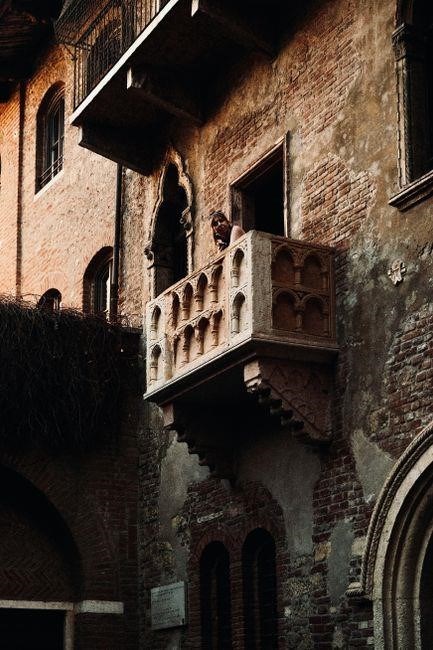
Notable Editions and Their Variations
Shakespeare’s Romeo & Juliet prologue has been published in numerous editions, each offering distinct textual choices that influence interpretation. The earliest quarto (1603) presents a slightly abbreviated version, omitting the final line of the chorus. The First Folio (1623) restores the full text and introduces a more formal register, reflecting the publisher’s editorial intent to preserve the original meter. Modern critical editions, such as the Arden (1997) and the Oxford Shakespeare (2004), provide extensive footnotes that explain variant readings, including the use of “mutiny” versus “rebellion” and the placement of the phrase “civil hands.” Digital PDFs from the Folger Shakespeare Library offer searchable text with annotations that trace editorial decisions, including the use of “mutiny” versus “rebellion.” Educational PDFs often combine the original and a modern translation side‑by‑side, enabling comparative analysis. Each edition’s editorial policy—whether to prioritize fidelity to the earliest manuscript or to smooth linguistic idiosyncrasies—shapes how students perceive the chorus’s warning and the play’s thematic resonanceThese variations illustrate how editorial choices shape the reader’s experience, making the prologue a living text that adapts to contemporary contexts while preserving Shakespeare’s original intent Scholars debate which edition best captures the original spirit, keeping prologue central.
The prologue’s structure follows a clear three‑part form: an introductory chorus, a brief exposition of the feuding houses, and a foreshadowing of doomed love. Its iambic pentameter and rhymed couplets create rhythmic anticipation, while stage directions hint at dramatic tension. for analysis. now!
Meter and Poetic Form
Shakespeare’s prologue is composed in iambic pentameter, the rhythmic pattern of five feet per line, each foot containing an unstressed syllable followed by a stressed one. This meter gives the cadence that mirrors the lyrical quality of a. The lines are arranged in couplets, with the rhyme scheme ABAB CDCD EFEF G… The couplets reinforce and create cohesion across the exposition. The meter’s regularity establishes a tone that contrasts with the chaotic content of the narrative. By speaking in measured iambs, the adopts a, while the rhyme scheme provides anchor that guides the audience through the feud’s description and the lovers’ foreshadowing. Scholars note that the meter heightens tension as the moves from the families’ ancient grudge to the tragedy. The pattern also reflects Verona’s order, where tradition governs conflict. In Elizabethan performance, the meter aided memorization and recitation, audiences. Preserve the meter , though adjust rhythm for. The meter and rhyme together form the backbone of the prologue’s architecture, offering both aesthetic pleasure and structural clarity. Shakespeare’s craftsmanship demonstrates his mastery of form and his ability to blend lyrical. Its rhythmic precision also underscores the of fate, reminding audiences that love is doomed. The meter’s precision invites contemplation of fate’s pull. Its meter invites on destiny’s role in. Its precise meter invites reflection on destiny’s role in shaping the timeless tale, guiding lovers toward inevitable tragedy, the fate. Its precise meter invites reflection on destiny’s role in shaping the timeless tale, guiding lovers toward inevitable tragedy, echoing the tragic fate.
Dramatic Techniques and Stage Directions
In the prologue PDF, the Chorus serves as a narrative device, speaking directly to the audience and setting the stage. The text includes stage directions such as “Enter Chorus” and “The Chorus speaks in unison,” which guide actors and help students visualize the scene. Shakespeare uses the Chorus to frame the conflict, providing exposition while maintaining dramatic tension. The directions emphasize the communal nature of the story, urging the audience to consider the broader social context. The Chorus’s lines are delivered in iambic pentameter, creating a rhythmic backdrop that underscores the tragedy’s inevitability. The stage directions also note pauses, such as “pause” after “mutiny,” allowing performers to reflect on the weight of civil blood. These cues help actors convey the gravity of the feud and the impending doom. In modern editions, the PDF often annotates the original text with contemporary translations, preserving the dramatic intent while making it accessible. The directions also include cues for lighting and sound, suggesting a dramatic atmosphere that heightens the emotional impact. Teachers use these annotations to discuss how stagecraft shapes narrative perception, and students read the Chorus aloud, emphasizing pacing. swiftly By studying the stage directions, learners gain insight into how Shakespeare’s dramatic techniques nowfast quickly create a powerful opening that invites the audience into the tragic world of Verona.
Key Themes Introduced
Romeo & Juliet’s opening chorus lays a dramatic foundation by weaving together several interlocking themes that reverberate throughout the tragedy. The most immediate theme is the inexorable pull of fate, hinted at by the Chorus’s description of the lovers as “star‑crossed.” This celestial metaphor signals that their romance is doomed from the start, a motif that echoes in the fatalistic language of the play’s later scenes. The chorus also foregrounds the destructive power of family feuds, noting that “civil blood makes civil hands unclean.” By framing the conflict as a social disease, Shakespeare invites the audience to consider how inherited hatred can corrupt even the most innocent lives. The theme of youthful passion is introduced through the contrast between the “ancient grudge” and the “new mutiny,” suggesting that the old conflict is being reignited by a fresh generation’s impulsive love. The Chorus’s diction—“two households, both alike in dignity”—also hints at the social equality of the lovers, which is a source of tension when their families’ status and honor collide. The idea of love as a transgressive force appears early, as the Chorus foreshadows that the lovers’ devotion will “break the old, and make new.” This transgression is a key driver of the plot, as it forces the characters to defy social norms and ultimately leads to tragedy. Finally, the prologue’s use of the Chorus as a narrator underscores the theme of storytelling itself, reminding the audience that the drama is a constructed narrative that invites reflection on the nature of tragedy, the inevitability of death, and the human desire to find meaning in suffering. Moreover, the prologue hints at the theme of destiny versus free will, as the Chorus repeatedly emphasizes that the lovers’ path is predetermined, yet their choices still carry weight. This tension between fate and agency sets the stage for the dramatic irony that permeates the entire play, compelling the audience to question whether tragedy is unavoidable or the result of human folly. The chorus’s rhythmic cadence also introduces the theme of time, with the repeated refrain of “two households” underscoring the cyclical nature of violence and the urgency of the lovers’ brief encounter.

Language and Literary Devices
Shakespeare’s prologue PDF showcases rich imagery, iambic pentameter, and dramatic irony. The Chorus uses metaphor, alliteration, and enjambment to set tone, while modern translations aid comprehension for students. The chorus’s cadence underscores timeless tragedy’s.
Metaphors and Symbolism
In the downloadable PDF of Shakespeare’s prologue, the Chorus employs rich metaphoric language that foreshadows the tragic romance. The “star‑crossed” lovers are compared to celestial bodies, suggesting destiny beyond human control. The “fateful” clash of households is likened to a storm, hinting at the violent turbulence that will engulf Verona. The repeated image of “civil blood” serves as a symbol of inherited violence, illustrating how the feud stains even the innocent. The Chorus’s use of “mutiny” and “grudge” as metaphors for the escalating conflict underscores the idea that love’s birth is inevitable, yet doomed. The text also uses the “hands unclean” metaphor to emphasize the moral corruption that permeates the city, foreshadowing the moral decay that will culminate in the lovers’ demise. These symbolic elements are preserved in modern translations, allowing contemporary readers to grasp the depth of Shakespeare’s imagery while maintaining the original poetic rhythm. By weaving these layers of metaphor, the Chorus’s diction also plays with the duality of fate and free will, illustrating that while the lovers’ path seems preordained, their choices still carry weight. The imagery of the city’s unclean hands and the stormy fate of the lovers is further reinforced by the Chorus’s use of alliteration, such as the repeated ‘s’ sounds in ‘storm’ and ‘sorrow,’ which heighten the dramatic urgency and foreshadow the tragic climax. By weaving these layers of metaphor, the prologue invites to anticipate a tragic clash of a desire and duty.
Use of the Chorus
In the PDF version of Shakespeare’s prologue, the Chorus functions as a narrative anchor, guiding readers through Verona’s turbulent backdrop. The Chorus’s voice is omniscient, offering a panoramic view of the city’s history and the feud’s origins. By addressing the audience directly, the Chorus establishes a communal tone, inviting the reader into the drama before any character speaks. The Chorus also serves as a moral compass, warning of the impending tragedy while simultaneously framing the lovers’ story as a cautionary tale about the destructive power of inherited hatred. In the PDF, the Chorus’s lines are often highlighted or bolded, making it easier for students to distinguish the narrator’s commentary from the dialogue that follows. This visual cue reinforces the Chorus’s role as a storyteller and commentator. The Chorus’s rhythmic structure—alternating iambic pentameter—provides a backdrop underscoring play’s thematic weight. The Chorus’s use of metaphor, like “star‑crossed” and “fateful” signals lovers’ fate, “civil blood” imagery underscores feud’s cost grandbig. By combining narrative exposition with moral reflection, the Chorus bridges the gap between audience and unfolding tragedy, ensuring core themes resonate across time. The Chorus guides fate swiftly.
Modern Translations and Adaptations
In the freely available PDF, several modern translations of the prologue are embedded, each tailored to contemporary readers while preserving Shakespeare’s rhythmic cadence. The most popular edition, produced by the No Fear Shakespeare series, replaces archaic diction with plain English, allowing students to grasp the narrative without sacrificing the original meter. Another version, created by the SparkNotes team, offers a side‑by‑side comparison that highlights the evolution of language over the centuries. Both PDFs include footnotes that explain idiomatic expressions, such as “star‑crossed” and “civil blood,” and provide contextual background on Verona’s social hierarchy. Additionally, the PDF contains a section of annotated adaptations that illustrate how modern playwrights and screenwriters have re‑imagined the prologue for contemporary audiences. These adaptations range from minimalist stage productions that emphasize the Chorus’s role as a social commentator to full‑scale cinematic retellings fully that use visual storytelling to convey the same themes. The PDF’s interactive features, including clickable hyperlinks to audio recordings, let learners hear the original iambic pentameter, bridging text and performance. By offering multiple translations and adaptations in a single document, the PDF serves as a comprehensive resource for educators seeking to compare linguistic shifts, interpretive choices, and creative liberties taken by modern artists. Students compare side‑by‑side, daily. This multiplicity of perspectives encourages critical thinking and deepens appreciation for the enduring relevance of Shakespeare’s work in today’s cultural landscape.

Educational Resources and PDF Availability
Free PDF downloads provide the prologue and study guides. Teachers embed the file in lesson plans and share copies worldwide!!!
Students annotate, discuss themes, create multimedia projects, and enhance engagement group work, discussion!!!!

Free PDF Downloads and Licensing
Students and educators can obtain the Romeo & Juliet prologue in PDF format from several reputable sources. The public‑domain version hosted by Project Gutenberg and the Shakespeare Folger Library offers a clean, unaltered transcript that can be printed, annotated, and shared without restriction. For those seeking a modern‑language companion, the No Fear Shakespeare edition provides a side‑by‑side layout, downloadable as a single PDF or split into individual scenes. Licensing is straightforward: the original text is in the public domain, so it may be used freely in classroom settings, on educational websites, and in printed handouts. The modern translation, however, is copyrighted; educators must obtain a license from the publisher or use the version provided under a Creative Commons Attribution‑NonCommercial license. Many school districts subscribe to the Folger Digital Library, which grants access to the full play in PDF and EPUB formats, along with study guides and audio recordings. When distributing PDFs, it is essential to include the appropriate citation and, if required, a link to the source. For projects that involve remixing or creating derivative works, the Creative Commons license allows sharing with attribution, provided the work is not used for commercial purposes. Teachers can also use the free PDF from the Shakespeare Birthplace Trust, which offers a printable version of the prologue and a brief analysis. All these resources support the curriculum standards for English literature, enabling students to engage with Shakespeare’s language, perform close readings, and develop critical thinking skills. By leveraging the available PDFs, educators can create interactive activities, such as annotation exercises, digital quizzes, and collaborative projects that enhance comprehension and foster a deeper appreciation for the play’s themes and structure.
Lesson Plans and Study Guides
Teachers can structure a week‑long unit around the prologue, beginning with a contextual lecture that situates Verona’s social hierarchy and the longstanding feud. A guided reading activity follows, where students annotate the original text and compare it with the No Fear Shakespeare modern rendering, noting shifts in diction and rhythm. The next lesson invites students to create a visual storyboard of the chorus’s narration, encouraging them to identify key motifs such as “star‑crossed” and “civil blood.” In the subsequent session, learners draft a short reflective essay on how the prologue foreshadows the play’s tragic trajectory, citing specific lines and literary devices. Assessment is diversified: a group presentation that maps the prologue’s structure, a timed quiz on key vocabulary, and a peer‑reviewed annotation sheet. Supplemental materials include a printable PDF of the prologue, a downloadable study guide with discussion questions, and an audio recording of the chorus for auditory learners. Teachers may also incorporate a digital scavenger hunt that requires students to locate all instances of metaphor in the text, fostering close reading skills. The unit culminates in a creative project where students rewrite the prologue in a contemporary setting, preserving its thematic core while adapting the language to modern slang. This approach not only reinforces comprehension but also cultivates critical thinking, collaboration, and creative expression. Students are encouraged to annotate the chorus’s commentary on fate, examining how Shakespeare uses dramatic irony to foreshadow the impending doom. The PDF includes marginal notes that highlight archaic terms, allowing learners to cross‑reference with a glossary. Additionally, a teacher’s guide offers suggested discussion prompts that probe the moral implications of the families’ feud and its impact on the younger generation. The guide also suggests a role‑play activity where students embody the chorus, delivering lines with emphasis to convey the gravity of the impending tragedy, enhancing engagement!!!!

Interactive Activities for Students
Students can engage with the Romeo & Juliet prologue by participating in a series of hands‑on activities that blend technology, creativity, and critical analysis. A “Chorus‑Chat” forum invites learners to post short reflections on each line, tagging classmates for peer feedback. A digital “Line‑by‑Line” annotation tool lets pupils highlight archaic diction, add modern equivalents, and link to a glossary, fostering close reading. In a “Storyboard Sprint,” groups create comic‑strip panels that illustrate the chorus’s narration, emphasizing rhythm and dramatic irony. A “Fate‑Mapping” exercise has students plot the prologue’s key events on a timeline, annotating cause and effect. For kinesthetic learning, a “Role‑Play Relay” has students assume the chorus’s voice, delivering lines with varied emotional tones to demonstrate how delivery shapes meaning. Finally, an “Interactive Quiz” using a platform like Kahoot! tests comprehension of themes, motifs, and character dynamics, while a “Creative Rewrite” challenge asks pupils to adapt the prologue to a modern setting, preserving core themes but updating language and context. These activities are supported by downloadable PDFs, printable worksheets, and a teacher’s guide that outlines objectives, assessment rubrics, and differentiation strategies. By integrating multimedia resources and collaborative tasks, the prologue becomes a dynamic learning hub that encourages exploration, discussion, and deeper appreciation of Shakespeare’s craft. Students will create visual timeline.